 By Winnie
 The field of aesthetic dermatology has undergone a remarkable transformation over the past decade. Where surgical procedures once dominated the landscape, today’s cutting-edge technology offers patients an ever-expanding menu of non-invasive and minimally invasive treatments — delivering results that were previously achievable only through the scalpel, but with minimal downtime and significantly reduced risk.
From ultrasound-powered skin tightening to fractional laser resurfacing and radiofrequency microneedling, modern aesthetic devices are reshaping the way clinicians approach anti-aging, skin texture improvement, pigmentation correction, and body contouring. This comprehensive guide explores the most impactful technologies currently in use.
1. HIFU — High-Intensity Focused Ultrasound
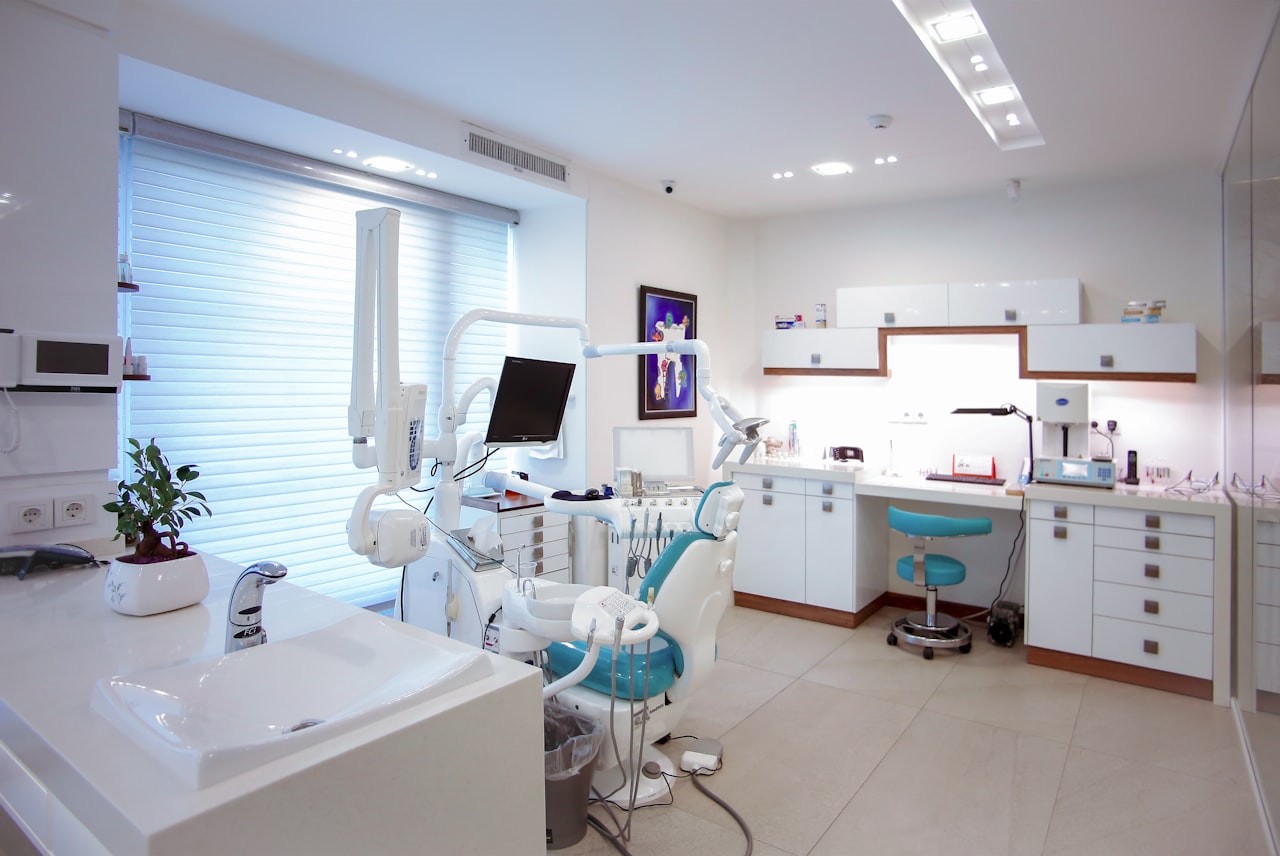
High-Intensity Focused Ultrasound (HIFU) is one of the most talked-about technologies in non-surgical facial rejuvenation. HIFU devices deliver focused beams of ultrasound energy to precise depths within the skin — typically the SMAS layer at 4.5mm beneath the surface — creating thermal coagulation points that trigger new collagen and elastin production.
- Primary indications: Facial laxity, jowling, brow ptosis, neck tightening
- Sessions required: 1-2 annually
- Downtime: Zero
- Results timeline: 3-6 months
2. CO2 Fractional Laser Resurfacing

Fractional CO2 lasers treat only a fraction of the skin’s surface at any given pass, leaving surrounding tissue intact to accelerate healing. The laser emits light at 10,600nm, creating thousands of microscopic ablative columns within the dermis that stimulate robust collagen remodeling.
- Primary indications: Acne scars, deep wrinkles, sun damage, uneven tone
- Skin types: Fitzpatrick I-IV
- Sessions required: 1-3, spaced 6-8 weeks apart
- Downtime: 5-10 days
3. Radiofrequency Microneedling

Radiofrequency microneedling combines two mechanisms — mechanical micro-injury from needles and thermal energy from RF current — for a synergistic collagen-inducing effect. A key advantage is its chromophore independence: it is equally effective and safe across all Fitzpatrick skin types, including types V and VI.
- Primary indications: Acne scars, skin laxity, enlarged pores, stretch marks
- Skin types: All Fitzpatrick types I-VI
- Sessions required: 3-4, spaced 4-6 weeks apart
- Downtime: 24-72 hours
4. IPL Photofacial Therapy
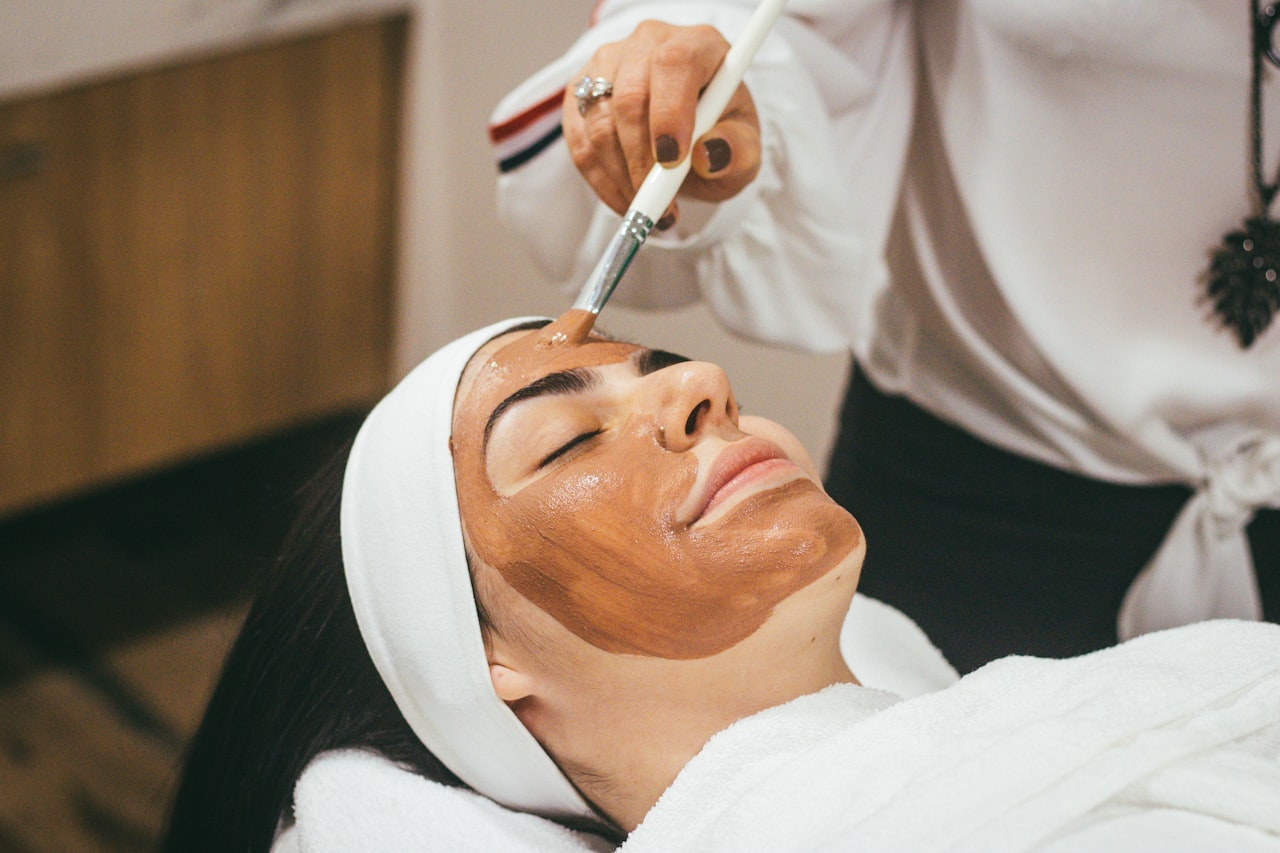
Intense Pulsed Light (IPL) uses broad-spectrum light (500-1200nm) to address pigment and vascular irregularities. It is particularly effective for sunspots, age spots, diffuse redness, visible capillaries, and rosacea. Advanced platforms such as Lumenis M22 and Sciton BBL have expanded its clinical repertoire significantly.
- Primary indications: Sun spots, freckles, rosacea, dilated capillaries
- Skin types: Fitzpatrick I-IV
- Sessions required: 3-5 initially; annual maintenance
- Downtime: 1-5 days
5. Modern Aesthetic Clinic Overview
Device Comparison at a Glance
| Device | Best For | Downtime | All Skin Types | Sessions |
|---|---|---|---|---|
| HIFU | Lifting, tightening | None | Yes | 1-2 / year |
| CO2 Fractional Laser | Scars, deep wrinkles | 5-10 days | I-IV only | 1-3 |
| RF Microneedling | Scars, laxity, pores | 1-3 days | Yes | 3-4 |
| IPL Photofacial | Pigmentation, redness | 1-5 days | I-IV ideal | 3-5 |
How to Choose the Right Treatment
Selecting the appropriate aesthetic device requires a thorough consultation with a board-certified dermatologist. Your provider will assess your primary concern, Fitzpatrick skin type, downtime tolerance, budget, medical history, and realistic expectations. Many patients achieve the best outcomes through a combination approach — for instance, IPL to clear surface pigmentation, followed by fractional CO2 for texture refinement, and HIFU or RF microneedling for deep collagen stimulation.
Frequently Asked Questions
Q1: Are these treatments painful?
Pain levels vary by device. HIFU produces heat and brief stinging, managed with topical numbing cream. CO2 laser is the most uncomfortable, often requiring local anesthesia. RF microneedling with numbing cream is well-tolerated. IPL feels like a brief rubber band snap.
Q2: How long do results last?
HIFU: 12-18 months. CO2 laser: several years with good sun protection. RF microneedling: 1-2 years. IPL: requires annual maintenance. All results are influenced by sun exposure, lifestyle, and natural aging.
Q3: Can these be combined with Botox or fillers?
Yes. Space energy-based treatments and fresh filler injections by at least two weeks, as heat can accelerate filler metabolism. Botox can typically be administered concurrently or shortly after treatment.
Q4: Are these devices FDA-approved?
Many devices carry FDA 510(k) clearance. Ultherapy (HIFU) is FDA-cleared for non-invasive lifting. Morpheus8 is FDA-cleared for RF microneedling. Always verify device regulatory status at your chosen clinic.
Q5: How much do treatments cost?
HIFU: $800-$3,000. CO2 laser: $1,000-$3,500 per session. RF microneedling: $600-$1,500 per session. IPL: $300-$800 per session. Prioritize provider credentials and device quality over cost.
The Future of Aesthetic Devices
Emerging technologies such as exosome-enhanced microneedling, plasma-based resurfacing, and AI-guided HIFU platforms are beginning to appear in leading clinics. The landscape of non-invasive options has never been more promising. Consult with a board-certified dermatologist to develop a personalized treatment pathway that aligns with your goals, skin type, and lifestyle.