 By Winnie
 Rhinoplasty is one of the most delicate procedures in plastic surgery. By 2026, with the widespread adoption of techniques such as structural rhinoplasty and ultrasonic bone scalpel, the surgery will become more natural and minimally invasive.
Below is a complete breakdown of the rhinoplasty procedure in 2026:
Comparison of Core Surgical Procedures
Currently, mainstream surgical procedures are primarily categorized into the following three types based on the location of incisions and the degree of reshaping:
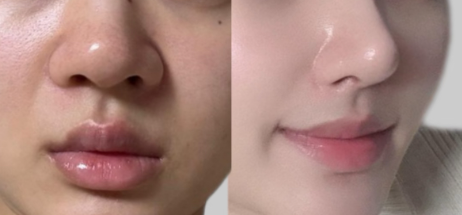
| Surgical Procedure Name | Target Audience | Advantages | Disadvantages |
| Traditional Rhinoplasty (One-Stage) | Good nasal foundation; only requires dorsal augmentation. | Quick surgery, affordable pricing, and minimal trauma. | Prone to displacement, unnatural results, and redness at the nasal tip. |
| Three-stage/Semi-rib rhinoplasty. | Flat or underprojeted nasal tip, short nose, u pturned nose. |
Naturally shaped nasal tip with strong structural support. | Autologous cartilage graft is required (e.g., ear or rib cartilage). |
| Full-rib rhinoplasty/revision rhinoplasty. | Reoperation for failed rhinoplasty or in patients with implant rejection. | 100% autologous tissue—no immune rejection; stable, long-lasting results. | Minimal incisions on the rib cage; extremely low graft resorption rate. |
II. Price Reference (2026 Market Estimate)
Prices are significantly influenced by the doctor’s qualifications, the city’s location, and the materials used (such as silicone, expanded polytetrafluoroethylene (ePTFE), or ultrasonic bone scalpel assistance, etc.):
Simple Implant Rhinoplasty: ¥8,000 – ¥15,000
Semi-rib/Auricular Cartilage Composite Rhinoplasty: $5,000 – $20,000
Full Rib Rhinoplasty/Complex Revision: $8,000 – $30,000+
Non-Surgical Procedures (Hyaluronic Acid/Thread Lift): $**** – $**** (Note: Thread lift rhinoplasty is gradually being discontinued by doctors due to its higher risks)
III. Surgical Procedure Breakdown
- Preoperative Preparation and Treatment Plan
Consultation: The doctor uses a 3D facial scanner to simulate the postoperative results.
Physical Examination: Coagulation function tests, electrocardiograms, and screenings for infectious diseases are mandatory.
- Surgical Procedure (Approximately 1.5-3 hours)
Anesthesia: General anesthesia or intravenous combined anesthesia is usually used.
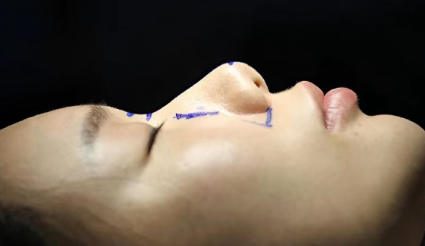
Cartilage Harvesting: If rib cartilage is selected, a small incision of approximately 1.5 cm is made below the right chest to harvest the cartilage.
Dissection and Placement: The doctor makes an incision in the columella or inside the nostril, precisely dissecting the cavity and placing the sculpted prosthesis or cartilage.
Suturing and Fixation: After meticulous suturing, a nasal splint is worn externally to prevent displacement.
IV. Recovery Timeline: The recovery from rhinoplasty is a process that “begins quickly and then slows down”:
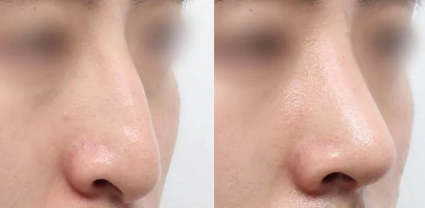
1-3 days (Initial phase): Bruising and swelling may appear around the nose and eyes. Apply cold compresses and keep your head elevated while sleeping.
7 days (Suture removal phase): The nasal splint and stitches are removed. Swelling will have decreased significantly by this time; you can wear a mask when going out, but the tip of your nose may still feel stiff.
1 month (Further reduction in swelling): Approximately 80% of the swelling will have gone away, and the basic shape of your nose will become visible. Light activities are possible, but avoid any impacts that could cause further swelling.
3-6 months (Final recovery phase): The internal tissues will have fully healed, and the tip of your nose will have softened.
1 year (Final result): The scars have completely softened, achieving the most natural appearance.
Tips to avoid common problems:
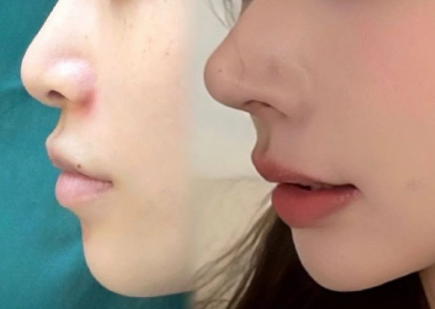
Avoid the “Instagram nose”: An excessively high nasal bridge can lead to thinning of the skin over time (5-10 years).
Doctor’s skill > Hospital reputation: Rhinoplasty tests a doctor’s aesthetic sense and surgical skills. Be sure to review the doctor’s previous cases.
Avoid surgery during menstruation: Having surgery during menstruation can increase bleeding and postoperative swelling.
Are you looking to increase the height of your nasal bridge, or are you more concerned about reducing the size of your nose tip? I can provide you with a personalized analysis of the pros and cons of different materials.